Similar Posts
Decoding Attachment: The Surprising Ways Early Experiences Shape Our Stress Response
Decoding Attachment: The Surprising Ways Early Experiences Shape Our Stress Response As counsellors and psychotherapists, we witness firsthand how early attachment experiences leave lasting imprints on the mind and body. But what if we told our clients that these early relationships literally shape their brain’s wiring—especially when it comes to stress? Understanding the neuroscience of…
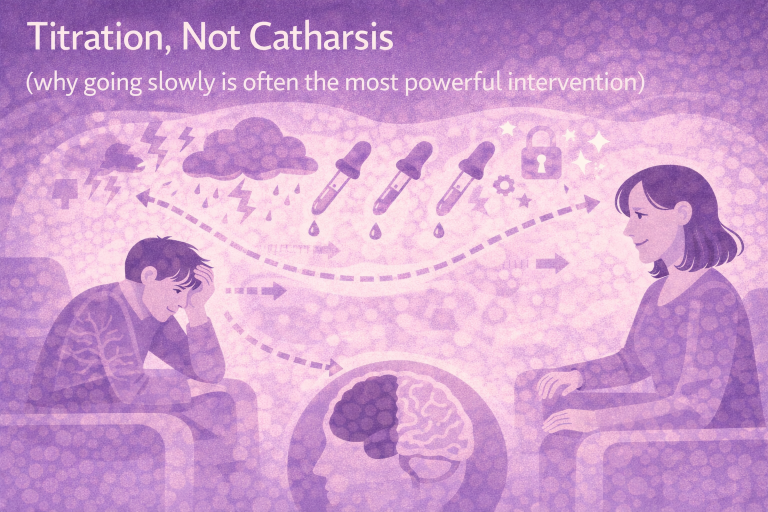
Titration, Not Catharsis
(Why Going Slowly Is Often the Most Powerful Intervention) There’s a quiet pressure many counsellors feel – even if they don’t name it. That therapy should go somewhere.That something should happen.That emotional release equals progress. And when clients carry trauma, there can be an added, unspoken belief:If we don’t access the pain fully, are we…
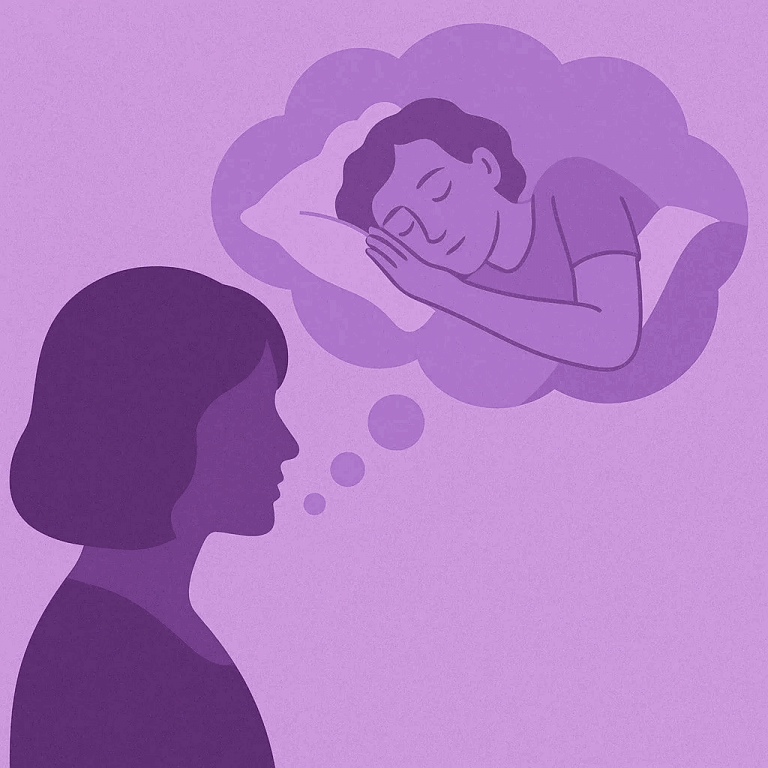
How often do you invite dreams into the therapy room?
Dreams in therapy reveal unconscious patterns and attachment wounds. Learn how to work with them meaningfully in attachment-based psychotherapy
Why A Renew and Reconnect Couples Retreat Works Better Than You Think
When most people hear the words “couples retreat,” they imagine something halfway between a spa break and a reality show — scented candles, a bit of yoga, possibly some awkward confession circles, and someone weeping into a herbal tea. What happens at a couples retreat? But the reality of a couple’s therapy retreat is something…
The Science of Connection: How Oxytocin Supports Breakthroughs in Therapy
How Oxytocin Supports Breakthroughs in Therapy As counsellors, we see first-hand how attachment wounds shape our clients’ struggles. But beyond theory, there’s a biological side to healing too—our brains are wired for connection, and neurochemicals play a vital role in the therapeutic process. Oxytocin, often called the “bonding hormone,” is key. It’s released through safe,…
There Is Always a Child in the Room
(Even When the Client Is 58) At some point in attachment-informed practice, many counsellors have a quiet realisation. The client sitting in front of us may be an adult – articulate, capable, reflective – and yet something else is present too. A fear that feels too big.A longing that feels strangely young.A reaction that seems…